Understanding Every Young Person's Journey
Young people learn best when they feel safe, understood and connected. Our approach brings together education, relationships and emotional wellbeing.
RELATIONAL PRACTICE
Strong, consistent relationships create the foundation for engagement and learning.
RESTORATIVE PRACTICE
Young people are supported to understand their choices, recognise their impact, repair relationships and move forward.
PACE-INFORMED PRACTICE
Playfulness • Acceptance • Curiosity • Empathy
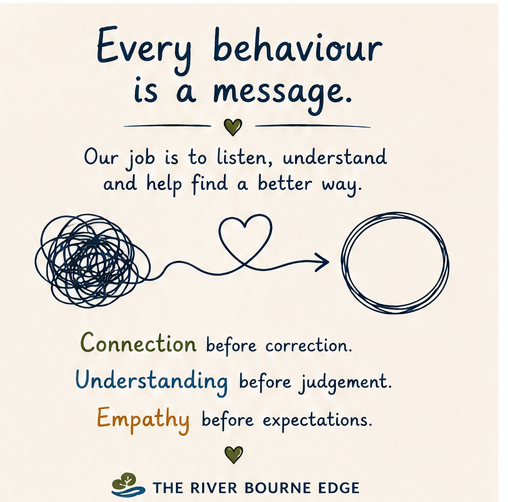
Helping adults respond with curiosity and connection rather than confrontation.
TRAUMA-INFORMED PRACTICE
We recognise that previous experiences can influence behaviour, relationships and readiness to learn.
We ask:
“What might have happened?” rather than simply “What's wrong?”
PSHE & PERSONAL DEVELOPMENT
Young people develop the skills they need beyond academic learning, includingrelationships, communication, healthy choices, independence, resilience and preparation for adult life.
WELLBEING & MENTAL HEALTH
Our smaller environment provides space to develop confidence, emotional awareness, regulation strategies and positive relationships.
HIGH SUPPORT HIGH EXPECTATIONS
We understand individual needs without lowering our aspirations.
The goal is not for young people to remain dependent upon adults.
It is to help them increasingly understand themselves, communicate their needs and manage situations successfully.
From co-regulation to self-regulation.
From support to independence.
From “I can't” to “I'll try.”